

Helping Minnesota irrigators modernize their systems, improve efficiency, and protect groundwater through new RCPP precision irrigation funding.
STAPLES, Minn. (January 30, 2026) – AgCentric is excited to share details of a significant new opportunity for Minnesota irrigators through the USDA Regional Conservation Partnership Program (RCPP) Precision Irrigation initiative. This multi-year effort brings more than $11 million in new resources to help farmers upgrade irrigation systems, improve water and nutrient efficiency, and protect the groundwater that supports both agriculture and rural communities.
Led by the Minnesota Department of Agriculture in partnership with the USDA Natural Resources Conservation Service and supported by technical experts from University of Minnesota Extension, the program delivers direct financial and technical assistance to working irrigated farms across 25 Minnesota counties, including many in central and northern Minnesota.
As Minnesota’s Northern Agricultural Center of Excellence, AgCentric is helping connect farmers to this opportunity and to the training, demonstrations, and educational resources that make precision irrigation successful on real farms.
Turning Data Into Better Decisions
Precision irrigation is about moving from guesswork to data-driven management. By using tools such as soil moisture sensors, updated pivot controls, and improved irrigation scheduling, farmers can:
- Apply water only when and where it is needed
- Reduce energy and pumping costs
- Improve nitrogen uptake by crops
- Lower the risk of nitrate movement into groundwater
These improvements support both strong yields and responsible water stewardship, especially on the sandy soils common across much of Minnesota’s irrigated region.

What the Program Can Help Fund

Through cost-share assistance, eligible producers can upgrade and modernize their irrigation systems with practices such as:
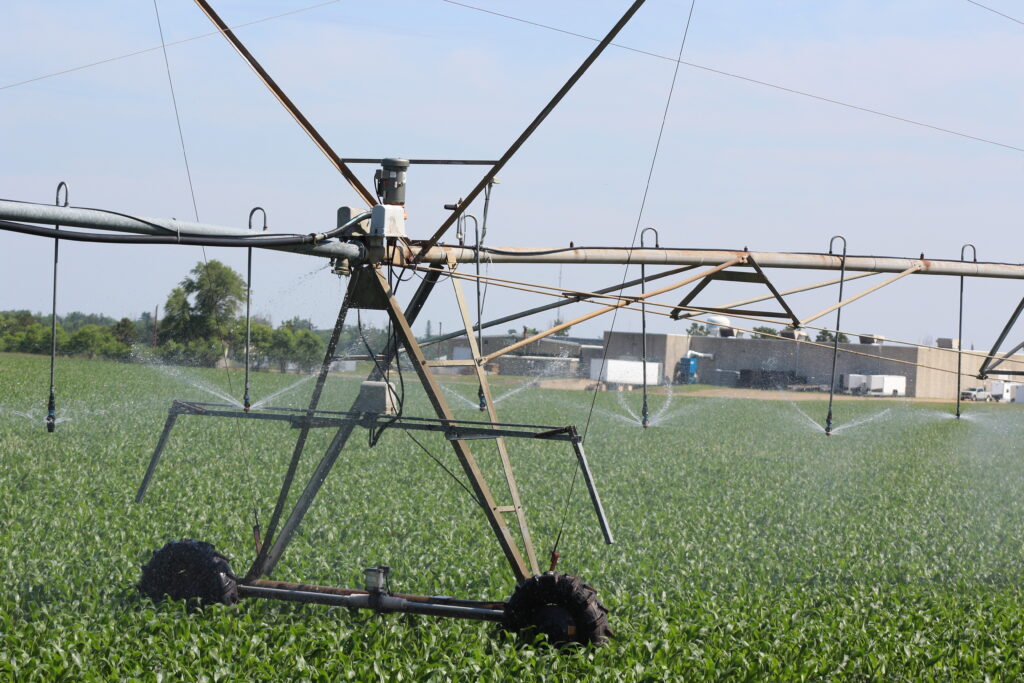
- Retrofitting center pivots with high-efficiency nozzles and variable rate controls
- Installing soil moisture and field monitoring technology
- Upgrading pumps, pipelines, and electrical components
- Developing irrigation water management plans tailored to each field
When paired with irrigation upgrades, soil health practices like cover crops or reduced tillage may also qualify on irrigated acres, helping fields hold water and nutrients more effectively.
Just as important as the funding is the hands-on support. Local conservation professionals will work one-on-one with farmers to design systems, interpret sensor data, and fine-tune irrigation and nutrient strategies throughout the season.

Learning Opportunities Through AgCentric
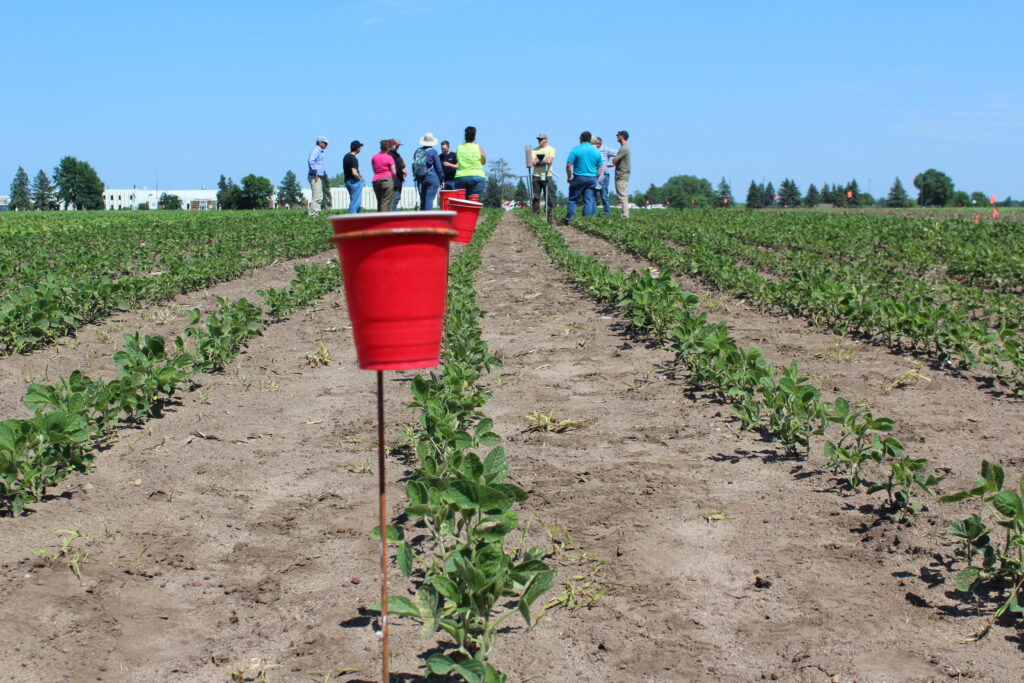
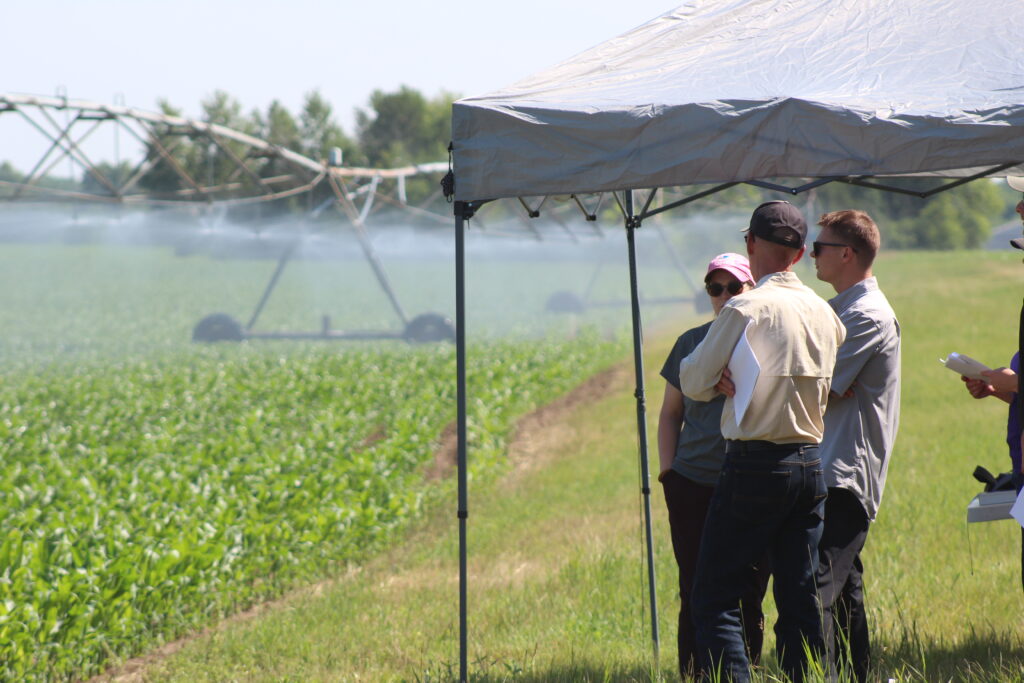
AgCentric will support this effort by hosting and promoting field demonstrations, irrigation clinics, and hands-on training events at the Central Lakes College Ag & Energy Center and partner sites. These events will allow irrigators to see precision technology in action, compare approaches, and learn directly from fellow producers.
By combining real-world demonstrations with classroom and field education, AgCentric aims to accelerate practical adoption of precision irrigation across Minnesota.

How to Apply
The application period for this opportunity runs from February 2 through February 27, 2026.
During this window, interested farmers should contact their local Soil and Water Conservation District or NRCS office to begin the application process. Local staff will:
- Confirm eligibility
- Help identify the most beneficial irrigation upgrades
- Assist with planning and required paperwork
Because funding is limited and demand is expected to be high, reaching out early in the February 2–27 sign-up period is strongly encouraged.
A Big Step Forward for Irrigated Agriculture
This RCPP Precision Irrigation initiative is one of the largest coordinated investments in irrigation efficiency Minnesota has seen. It helps farmers modernize infrastructure, reduce input waste, and protect shared groundwater resources without carrying the full financial burden alone.
AgCentric encourages irrigators to explore this opportunity, connect with local conservation staff, and take advantage of upcoming trainings and demonstrations. Smarter irrigation today means stronger farms and more secure water resources for the future.





)
You must be logged in to post a comment.